
Choosing Himalayan Salt Lamps for Your Home
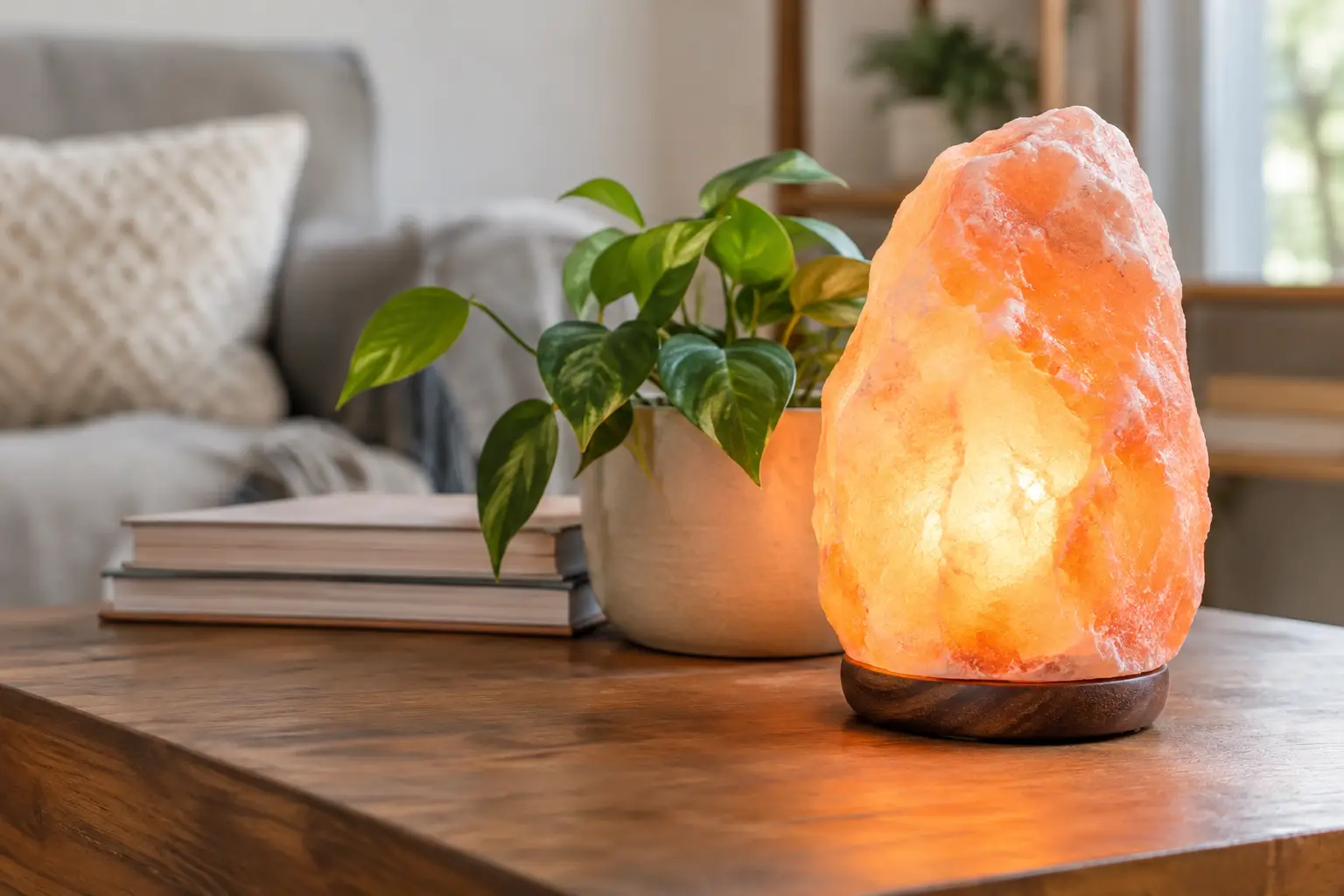
A Himalayan salt lamp changes more than the light level in a room. When switched on, its warm amber glow can soften a bedside table, bring character to a quiet corner of the lounge, or make a home office feel less stark after dark. The appeal is simple: each lamp is formed from natural crystal salt, so no two pieces have precisely the same shape, markings or colour.
For many UK homes, that individuality is the point. A well-chosen lamp is both a practical source of low-level light and a distinctive decorative object. The key is choosing the right size, understanding what natural salt looks like, and giving it a suitable place in your home.
What are Himalayan salt lamps?
Himalayan salt lamps are pieces of mineral-rich rock salt, generally sourced from salt deposits in the Himalayan foothills of Pakistan. A small cavity is carefully made inside the salt crystal to hold a bulb and electrical fitting. Once illuminated, the crystal filters the light into shades of orange, pink, peach and occasionally deeper red.
The colour variation is natural. Pale lamps often give a gentle, creamy glow, while deeper orange and red pieces can feel warmer and more dramatic. Surface texture also varies, from rough, organic chunks of salt to smoother carved shapes such as spheres, pyramids, bowls and hearts.
Authentic lamps are not machine-perfect. Fine veins, uneven edges and differences in colour are normal signs of a natural material. If every lamp in a display looks identical, it is worth asking whether it is genuine crystal salt or an imitation made from another material.
Choosing the right Himalayan salt lamp size
Size affects both the visual impact and the strength of the glow. A small lamp is ideal where space is limited, while a larger piece gives more presence in an open room. It does not need to light the whole space - salt lamps work best as ambient lighting rather than a replacement for a reading lamp or main ceiling fitting.
Small lamps for shelves and bedside tables
A lamp of around 2 to 3 kg suits a bedside table, bookshelf, hallway console or compact desk. It gives a soft pool of light and makes a thoughtful gift, particularly for someone creating a calmer bedroom or reading corner. Check the available surface space first: the natural base can be wider than expected, and the lamp should sit securely.
Medium and large lamps for living spaces
A 4 to 7 kg lamp is often a versatile choice for lounges, larger bedrooms and home offices. It has enough scale to stand out against furniture without dominating the room. Larger lamps above this range work well on sturdy sideboards, reception desks, spa counters and hospitality interiors, where the stone's texture can be appreciated from further away.
Weight matters as much as height. Always choose a stable, level surface and avoid moving a heavy lamp by the cable, bulb holder or wooden base.
Where should you place a salt lamp?
The most successful position is usually where you already want a warmer, lower level of light. Beside a bed, on a side table or near a favourite chair are natural choices. In a home office, a salt lamp can offer a more relaxed contrast to the cooler, functional light from screens and task lamps.
Think about the surrounding colours too. Himalayan crystal salt looks particularly effective with timber, linen, stone, cream walls, deep greens and soft neutral interiors. In a modern room, its irregular shape can prevent the space from feeling overly uniform. In a more traditional home, it pairs easily with natural materials and warm-toned furnishings.
Keep lamps away from sinks, open windows, damp utility rooms and bathrooms unless the area remains reliably dry. Salt naturally attracts moisture from the air. That quality is part of its character, but excessive humidity can lead to sweating or small pools of water beneath the lamp.
For commercial settings, several lamps can create a more considered effect than one oversized piece. Spas, yoga studios, treatment rooms, hotels and restaurants often use groups of lamps or combine them with Himalayan salt wall features to build a warm, recognisable atmosphere.
Do Himalayan salt lamps improve air quality?
Himalayan salt lamps are often associated with relaxation, softer ambience and the traditional idea of salt-rich environments. Many people simply enjoy having a warm light source that encourages them to slow down in the evening.
However, claims that a lamp can substantially purify indoor air, release meaningful quantities of negative ions or treat medical conditions are not supported by strong scientific evidence. A salt lamp should not be relied upon for allergies, asthma, sleep problems or any health concern. Good ventilation, appropriate cleaning, and professional medical advice where needed remain more reliable measures.
That does not reduce their decorative value. The comfort of a well-lit, personal space is real, even when it comes from mood, routine and design rather than a medical effect. If you enjoy the look and feeling of natural salt in your home, that is a perfectly sound reason to choose one.
Caring for Himalayan salt lamps
Salt lamps are straightforward to maintain, but they need a little more attention than ceramic or glass lighting. Because salt absorbs moisture, keeping the lamp switched on for periods can help it stay warm and dry. If it is not being used for a while, particularly in a damp home, unplug it and wrap it in a dry bag or place it somewhere moisture-free.
Do not wash the lamp or use spray cleaners. For ordinary dust, switch it off, allow it to cool and wipe it gently with a dry or barely damp cloth. Dry it immediately afterwards. If the lamp becomes noticeably wet, unplug it first, remove moisture with a cloth and leave it in a dry room before switching it back on.
A coaster, slate tile or protective mat beneath the wooden base is sensible, especially on painted furniture, untreated wood or delicate surfaces. This helps protect against any moisture that may collect in humid weather.
Replacing bulbs and checking fittings
Use the bulb type and wattage recommended for the lamp fitting. The bulb does more than provide light: a little warmth helps reduce moisture around the salt, so an LED bulb may not perform in quite the same way as a traditional low-wattage bulb. It depends on the lamp, its size and the humidity of the room.
Before changing a bulb, unplug the lamp and let it cool. Check the cable, plug and bulb holder occasionally, particularly if the lamp has been stored or moved. As with any mains-powered decorative lighting, do not use it if the electrical components appear damaged.
Selecting an authentic lamp for a UK home
When buying a Himalayan salt lamp, look beyond the photograph. Product weight, approximate dimensions, plug type and bulb information are useful details, especially when buying online. A genuine lamp should have the natural variation expected from rock salt rather than a perfectly uniform, glossy finish.
A proper wooden base gives the piece a stable foundation, while a UK plug and suitable electrical fitting make it ready for use at home. It is also worth choosing a specialist supplier that can explain the origin, size and care requirements clearly. At Salty Lamps, the focus is on authentic Himalayan crystal salt products and practical information that helps customers select a piece they will enjoy living with.
If you are furnishing a larger room or planning a wellness, hospitality or retail interior, consider how lamps might work alongside salt candle holders, salt bricks or a bespoke salt wall. A single lamp makes a gentle statement; repeated natural salt elements can give an entire space a warmer identity.
Choose a lamp because you like its individual shape, its quiet glow and the atmosphere it brings after the main lights go down. Put it somewhere dry, stable and visible, and it can become one of those small home details that makes a room feel more like yours.


Comments